ZONE Sonography® Technology
ZONE Sonography® Technology
ZONE Sonography® Technology+ (ZST+) is a revolutionary software-based approach to acoustic data acquisition and ultrasound image generation. Based on innovative channel data processing methods, it generates ultrasound images up to ten times faster.
This software-based approach to acoustic data acquisition and image formation breaks through the limitations of conventional ultrasound imaging. By using a variable number of large acquisition ZONES, ZST can capture up to 90 percent more ultrasound data than conventional ultrasound platforms, at ten times the speed. This expanded set of acoustic data is processed digitally using patented techniques and software algorithms that differ fundamentally from slow, cumbersome hardware-based imaging methods. ZST+ technology overcomes traditional limitations and the trade-offs between spatial resolution, temporal resolution and tissue uniformity, delivering exceptional image quality through an imaging platform that can continue to improve over time.
Transforming ultrasound from conventional beamforming into channel data-based processing produces remarkably detailed and precise tissue visualisation.
Living Technology
ZST+ is a software-based “living” technology that continues to evolve. Ultrasound enhancements can be added through software upgrades built on its unique, proprietary ZONE Sonography technology. These upgrades protect the investment in the product by helping the ZST-based platform maintain high imaging performance throughout the system’s lifecycle. Through the continued development of this core technology, ZST+ has matured into an advanced ultrasound imaging architecture that enables new diagnostic applications.
Key benefits of ZONE Sonography technology
Advanced acoustic data acquisition
The acquisition and software processing of large ZONE acoustic data sets creates individual ultrasound image frames ten times faster than conventional line-by-line beamforming methods. The result is clear real-time imaging with fast and accurate temporal representation of anatomical motion and haemodynamic conditions. Advanced acoustic data acquisition also reduces tissue motion artefacts and maintains consistent image quality during simultaneous triplex imaging. This capability delivers high image quality across patient types and ultrasound modes, supporting diagnostic confidence in every clinical application.
A radically different approach. Traditional beamforming methods create each frame one line at a time (A). ZONE Sonography frames are created ten times faster using large zones of ultrasound energy (B).


Dynamic Pixel Focusing
Fundamentally different from conventional imaging, Dynamic Pixel Focusing provides high spatial resolution and image uniformity from the skin line to the deepest depths. Advanced software algorithms create individual frames pixel by pixel, focusing every point on both transmit and receive. This produces an ultrasound image that is optimally focused in every frame, at every depth and at all times. Dynamic Pixel Focusing supports a faster and more precise diagnostic process across clinical applications by eliminating the need for the operator to position a focal zone.
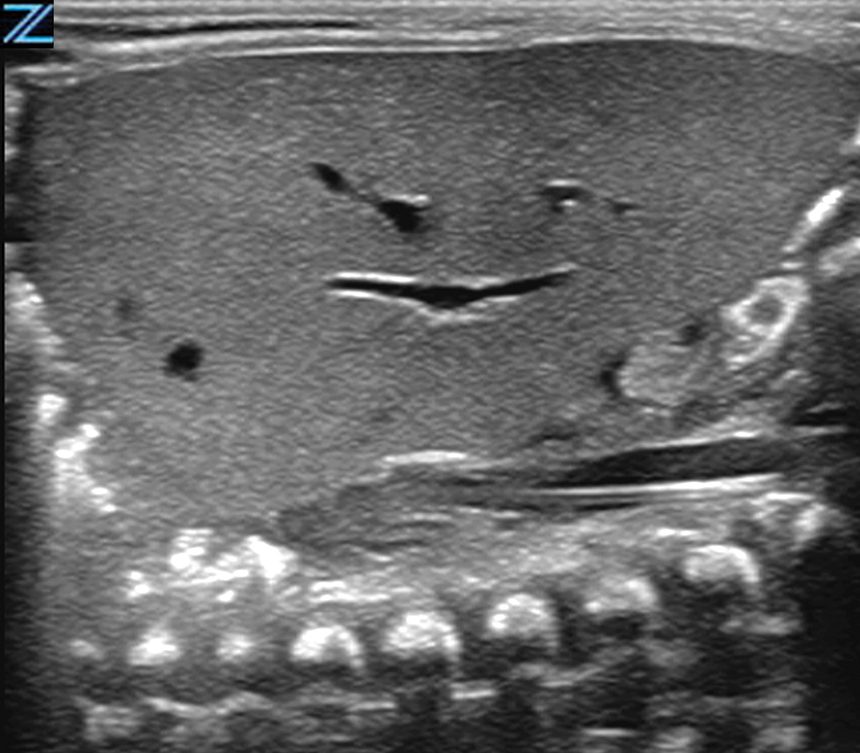
Compare the images and the difference is clear. Sagittal liver scans demonstrate improved spatial and contrast resolution with ZST (B) compared with traditional beamforming technology (A).


Sound Speed Compensation
Another patented engineering development that distinguishes ZST from traditional hardware-based beamforming platforms is automated digital Sound Speed Compensation (SSC). Historically, ultrasound imaging systems have been calibrated on the inaccurate assumption that ultrasound travels through all human soft tissue at 1,540 metres per second. In practice, many factors affect the actual speed of sound in a particular tissue. Failing to compensate for these differences reduces spatial and contrast resolution in conventional ultrasound systems. At the touch of a button, SSC automatically samples the tissue being examined and recalibrates the software to reflect its specific speed of sound. The resulting improvement in image quality provides another clinical tool that supports diagnostic confidence, particularly when examining diseased organs and structures at greater depths.
Compare the images and the difference is clear. Spatial resolution in a tissue-equivalent pin phantom is improved when Sound Speed Compensation is applied (B), compared with imaging without compensation (A).


Total Recall Imaging
Because ZST captures and stores a complete set of raw acoustic data, Total Recall Imaging (TRI) allows users to retrospectively adjust numerous imaging parameters and optimise clinical information. This can eliminate the need to repeat a scan and improve patient throughput. TRI also supports the transfer of in-phase and quadrature (IQ) data for processing and analysis in advanced imaging and tissue characterisation applications, helping pave the way for “virtual histology”.
ZONE clinical images
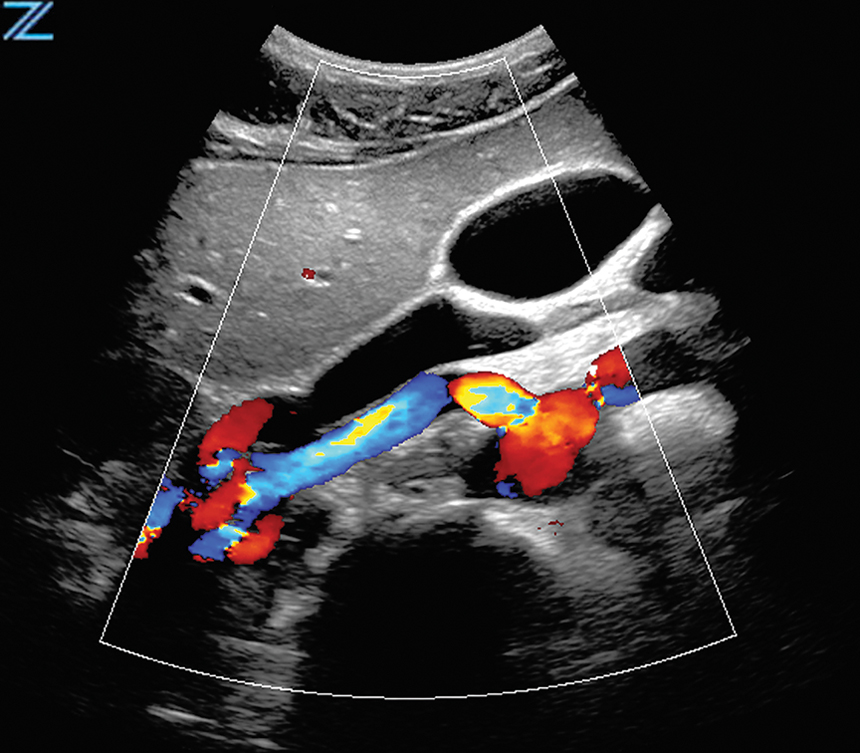
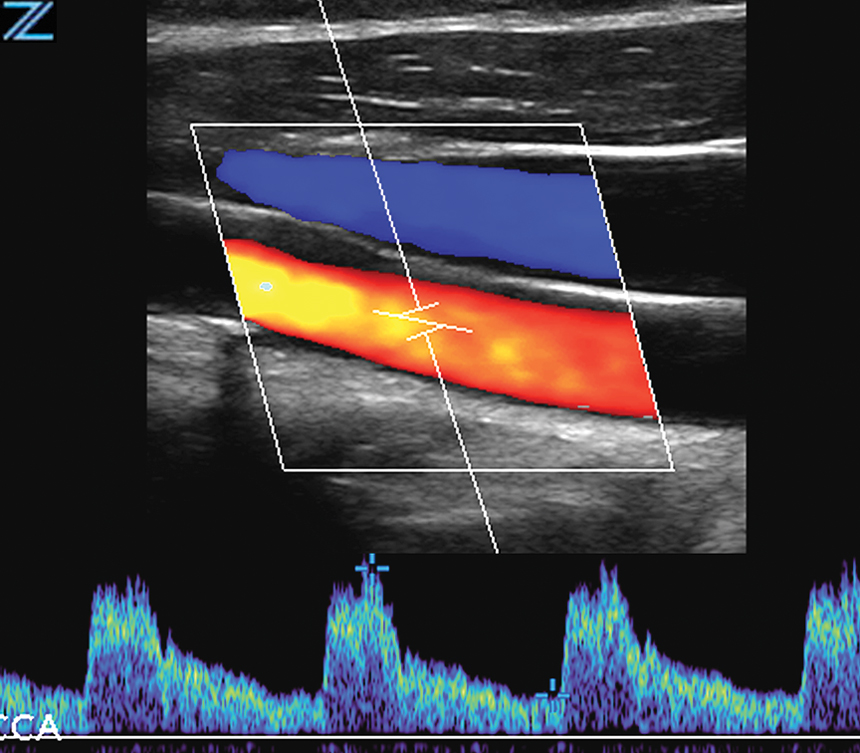
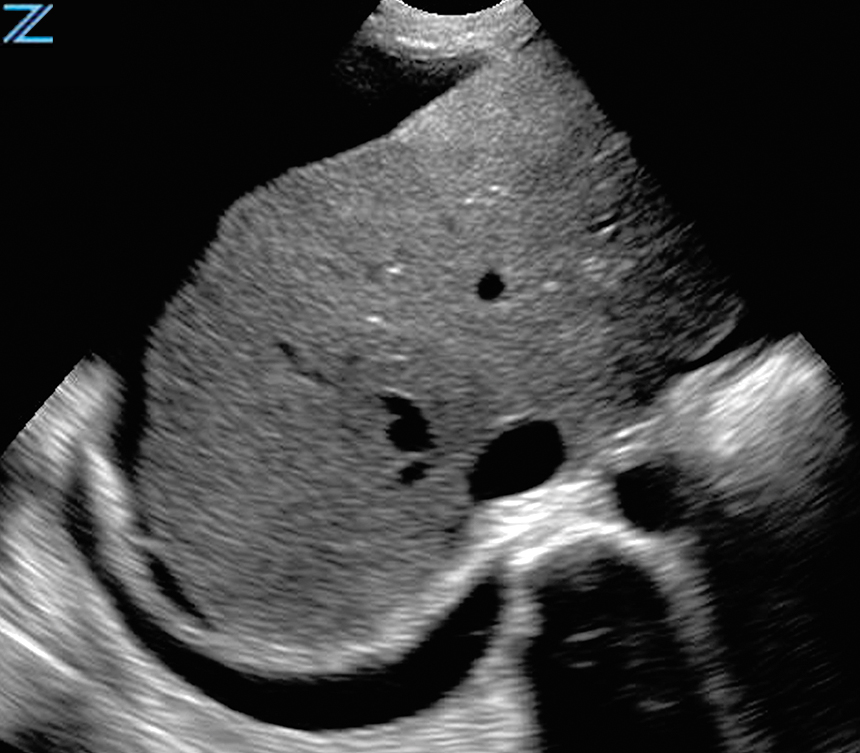
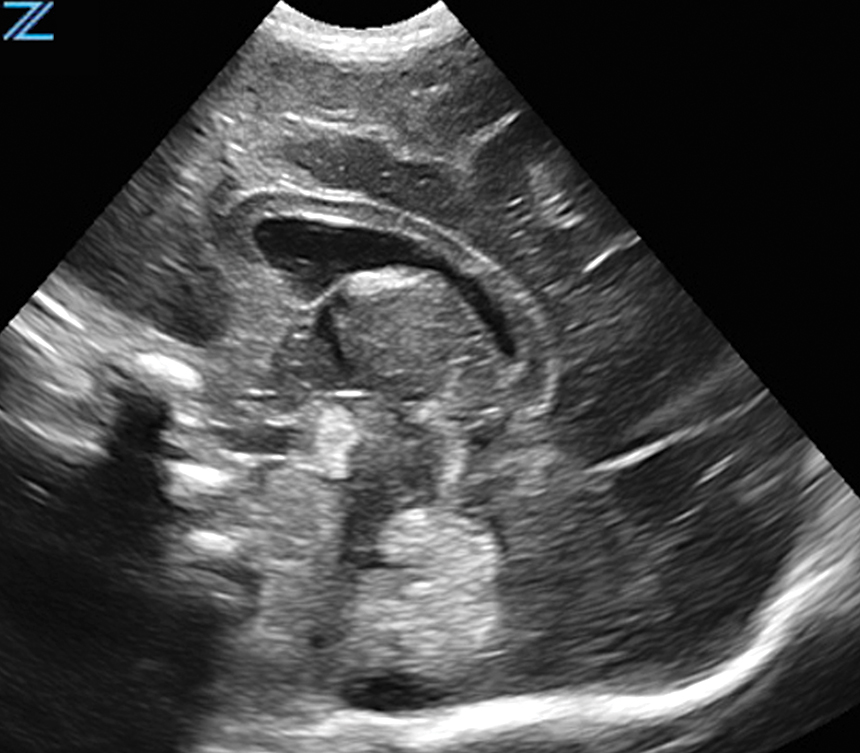
Normal Lymph Node | L14-5w
Normal Neonatal Brain Perfusion | C10-3
Intussusception B-Mode | L14-5w
Femoral Vein Thrombus (CDI) | L8-3
Renal Perfusion | SC8-3
Carotid | L9-3

Contact us
Send us an enquiry and our team will get back to you with the information you need.